 ENG
 INA
Udayana University's Faculty of Agriculture Appoints Environmental Stewards and Introduces Teba Modern
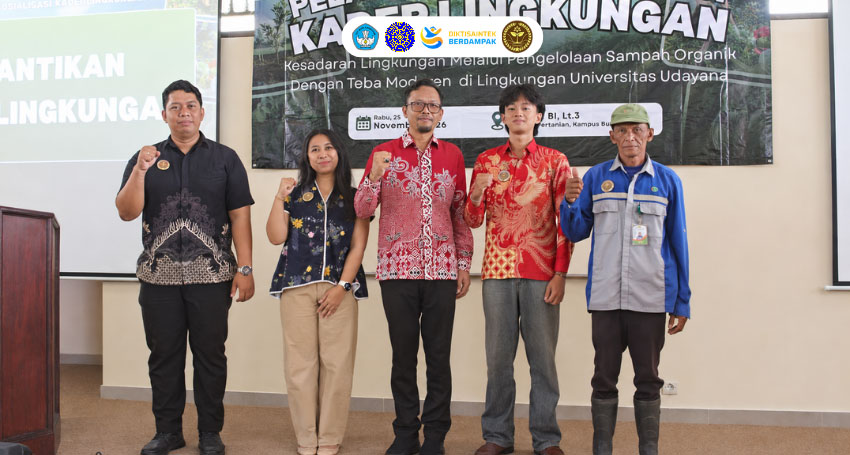
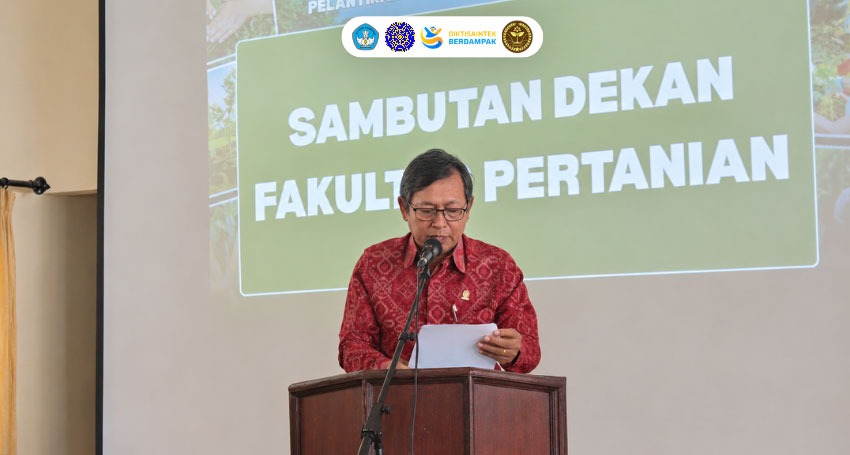
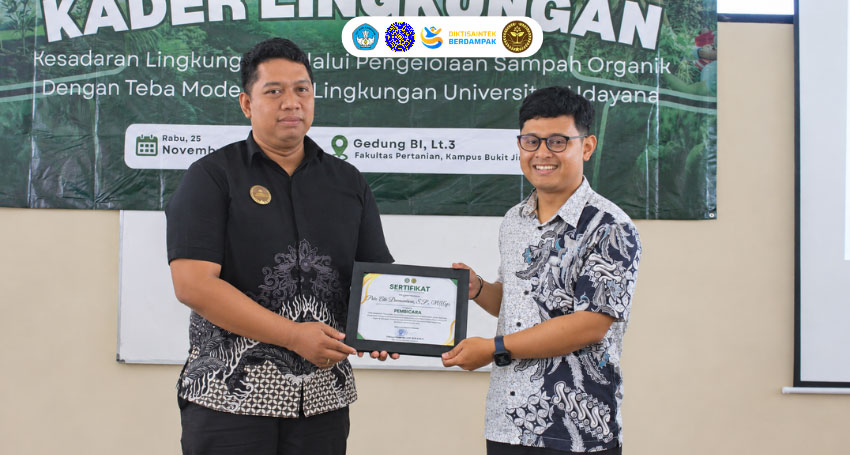
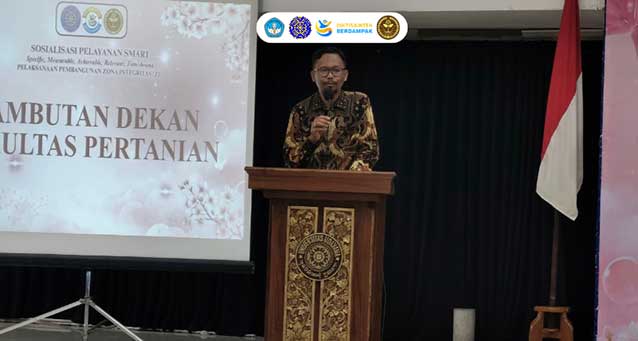
Udayana University’s Faculty of Agriculture held an orientation and induction ceremony for its campus environmental stewards on Wednesday, 25 November 2026. The Dean opened the event, which was part of the PEMASI 2026 program, before the stewards were formally inducted. The training focused on sorting waste where it is generated and using Teba Modern to compost organic waste on campus.
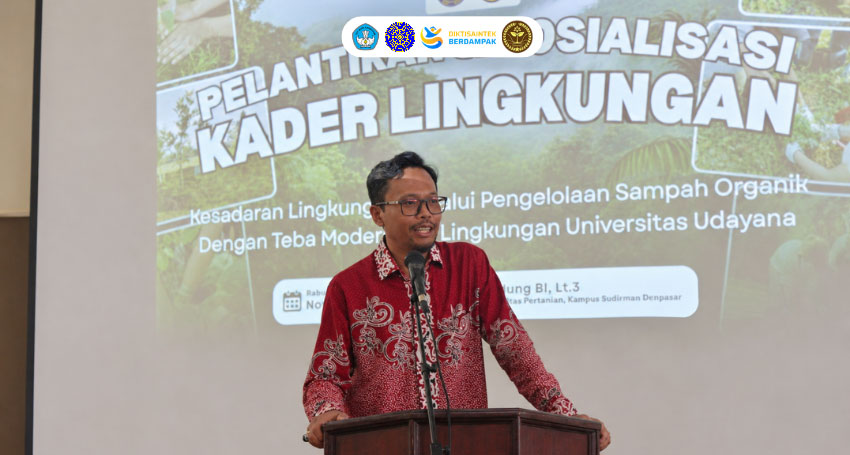
The first speaker stressed the importance of making proper waste sorting a daily habit. The speaker highlighted the role of primary education in helping children develop this habit early. Consistent guidance at school, at home, and in the wider community can help make waste sorting part of everyday life.
Dr. I Made Sukewijaya, S.P., M.Sc., explained how environmental stewards can support waste management at the source. Their role is to lead by example, educate the campus community, and monitor sorting practices so that organic waste, recyclables, and residual waste stay separate. Sorting waste in offices, classrooms, and canteens makes it easier to handle each type appropriately.
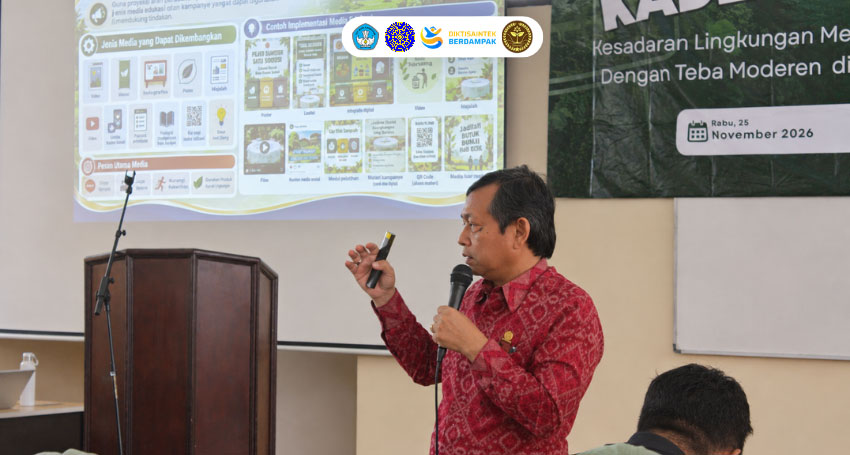
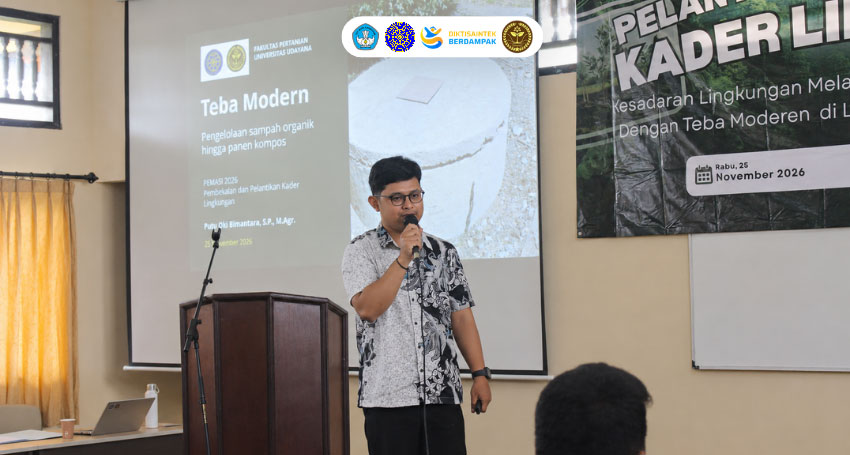
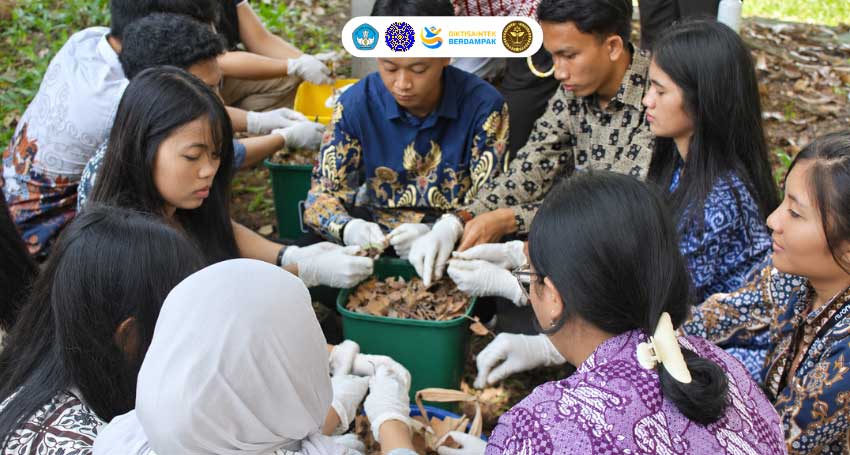
Putu Oki Bimantara, S.P., M.Agr., introduced Teba Modern, a covered composting pit inspired by traditional Balinese home gardens. He explained which organic materials are suitable, including leaves, vegetable scraps, and fruit peels, and walked participants through the process from filling the pit to harvesting the compost. He noted that organic waste can cause unpleasant odors and create sanitation problems when it piles up. Composting sorted organic waste on campus turns it into a resource for the faculty’s plants and gardens.
The presentations ended with a question-and-answer session on waste sorting and the use of Teba Modern. The training prepared the environmental stewards to help students, lecturers, and administrative and support staff put waste sorting into practice across the campus.
Gallery
UDAYANA UNIVERSITY