 ENG
ENG
 INA
INA
Knowledge-Sharing Session and Discussion on Soil Health and Farmer Empowerment (Socioeconomic Aspects), with a Visit to the Soil Laboratory at the Faculty of Agriculture, Udayana University
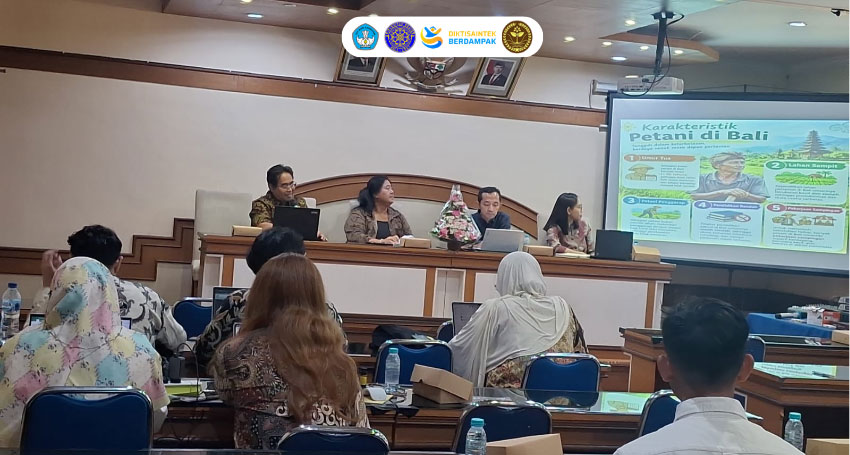
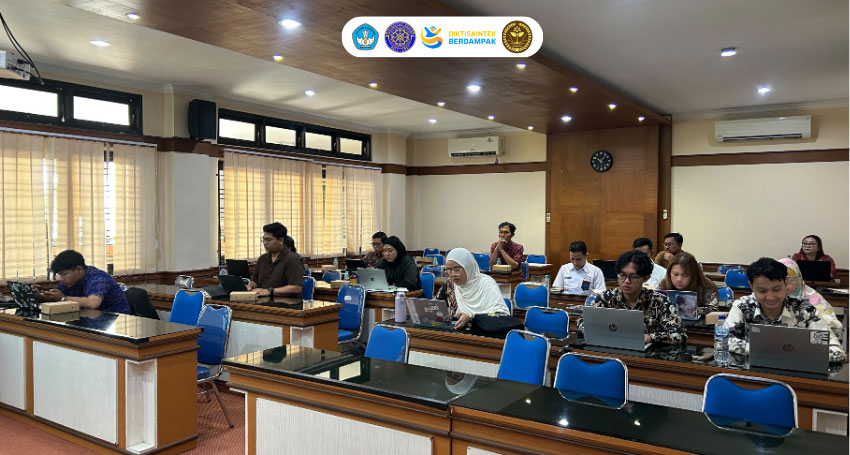
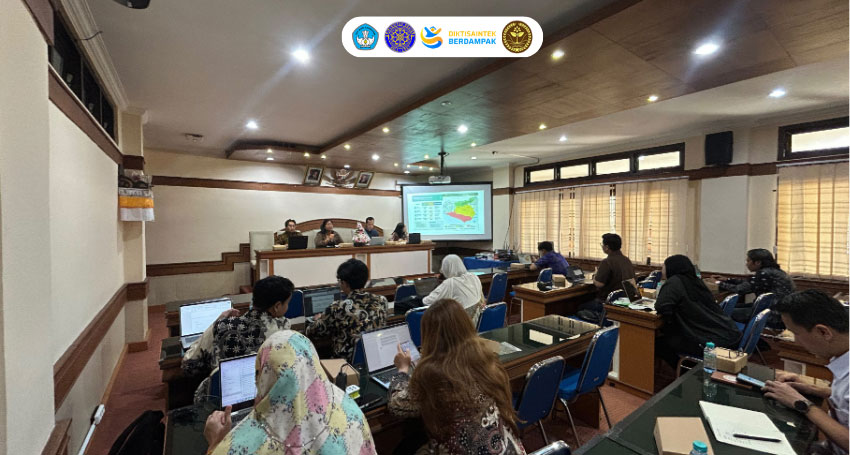
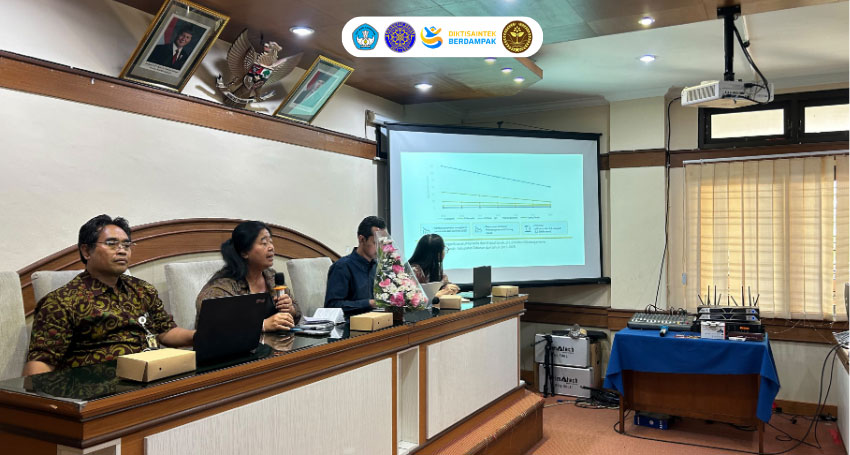
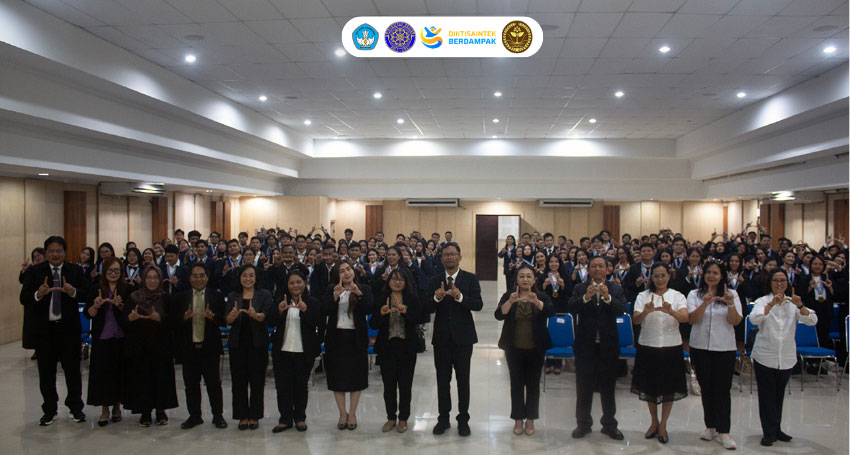
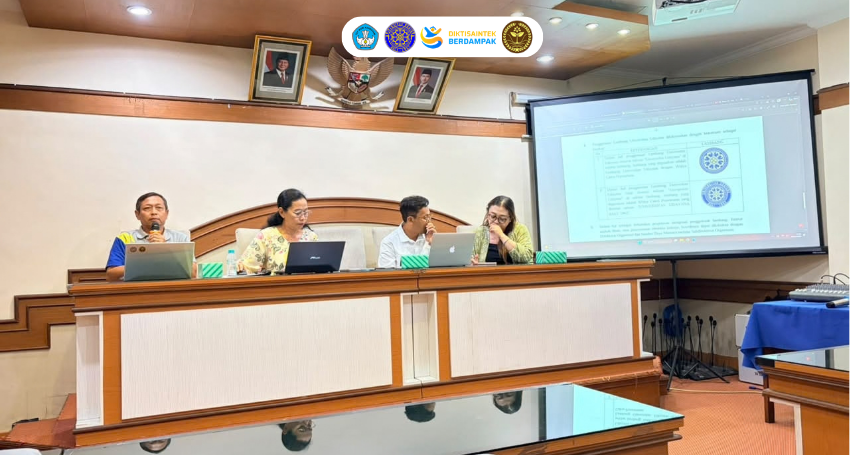
DENPASAR — Soil health and farmer empowerment were the focus of a knowledge-sharing session and discussion at the Faculty of Agriculture, Udayana University (Unud), Sudirman Campus, Denpasar, on October 13, 2026. The event formed part of the IRASP Project activities and included a review of findings from visits to Tabanan Regency.
Participants included representatives from Bappenas, the World Bank, Unud’s Faculty of Agriculture, BRMP Bali, and Pupuk Indonesia. In addition to discussions on the technical and socioeconomic aspects of agriculture, the event included a visit to the faculty’s Soil Laboratory.
In its presentation, the Directorate of Food and Agriculture at the Ministry of National Development Planning/Bappenas reported that approximately 89.5 percent of Indonesia’s agricultural land was not yet managed sustainably. This condition was linked to low land productivity, risks associated with chemical use, and land ownership conflicts.
Bappenas outlined a direction for food system transformation based on an eco-region approach, aiming to develop sustainable, healthy, and resilient food systems rooted in local resources and knowledge. Priorities included strengthening food production areas and reserves, ensuring adequate and safe food and nutrition, diversifying local foods and developing their downstream processing, and expanding biofortification and food fortification.
Conservation agriculture, climate-adaptive and low-carbon farming, alternative food sources, and stronger governance through an integrated food data system were also discussed.
During the soil health session, Prof. Dr. Ir. Ni Luh Kartini, M.S., presented soil characteristics and several soil health indicators in Tabanan Regency. These included soil acidity, organic carbon content, microorganism populations, and earthworm density as measures for assessing land conditions.
According to the 2024 data presented, soil conditions in Tabanan required improvement across several parameters. Soil pH was recorded at 5.6, while organic carbon content stood at 1.4 percent. The presentation also highlighted the need to increase microbial activity and earthworm populations to support sustainable agriculture.
Recommendations included applying compost and organic fertilizers, using biofertilizers, applying lime according to soil needs, and planting cover crops. For agricultural land within the subak system, the presentation outlined five management steps: soil assessment and sampling, the addition of organic matter, improved water management, enhancement of microbial activity and biodiversity, and monitoring and adoption by farming communities.
Meanwhile, Dr. I Gde Setiawan Adi Putra, S.P., M.Si., discussed socioeconomic approaches to farmer empowerment. His presentation emphasized involving farmers from the planning stage to ensure that programs respond to local needs and conditions.
Farmer outreach can be conducted through agricultural extension officers, farmer groups, and subak institutions using participatory approaches, group discussions, technology demonstrations, and direct assistance. These approaches also need to consider deeply rooted farming practices, concerns about the risks of innovation, limited capital and digital skills, and differing interests among farmers.
To address these challenges, the presentation emphasized respecting local knowledge, building trust, and demonstrating the benefits of innovation through trials. Recommended training topics included environmentally friendly agriculture, cultivation technologies, farm business management, digital marketing, and institutional strengthening. Support could take the form of farmer field schools, demonstration plots, extension visits, and evaluations of farm business performance.
The discussions connected efforts to improve soil health with farmers’ readiness to adopt new practices. Land management, ongoing assistance, and the involvement of local institutions were key elements of the agricultural transformation discussed, particularly in the context of Tabanan Regency.
2:36 PM
Gallery
UDAYANA UNIVERSITY