 ENG
ENG
 INA
INA
Collaboration between the Faculty of Agriculture, Udayana University's Inbis Unud, and Kopi Kenangan Boosts Coffee Business Potential for Kintamani Farmers
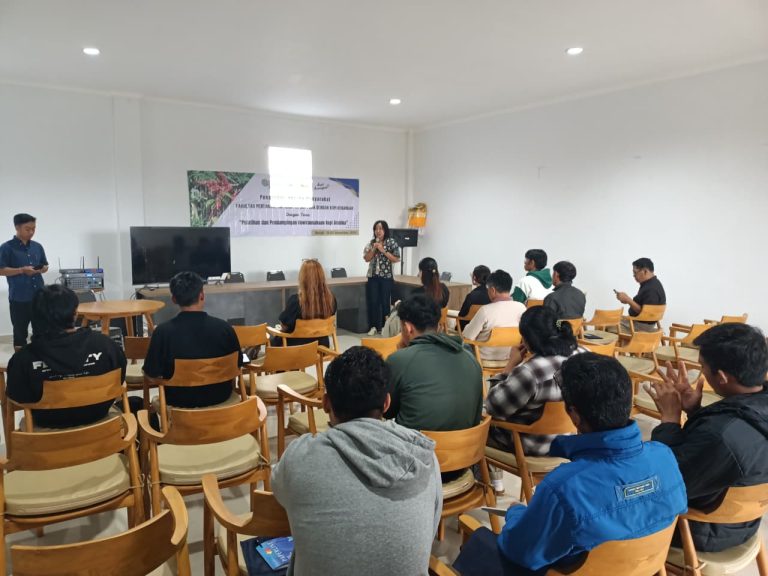
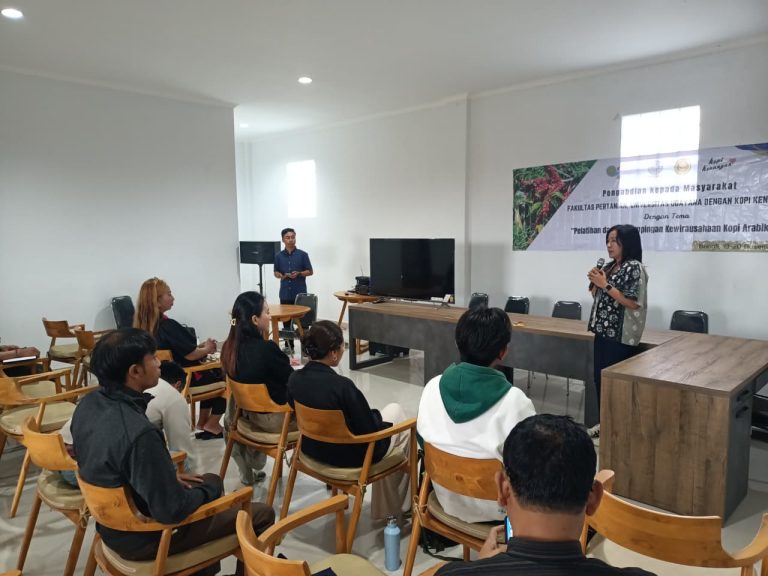
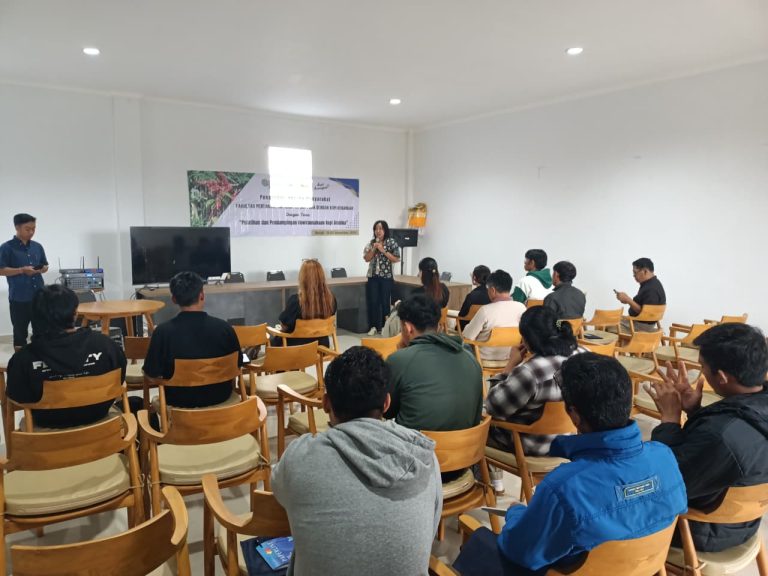
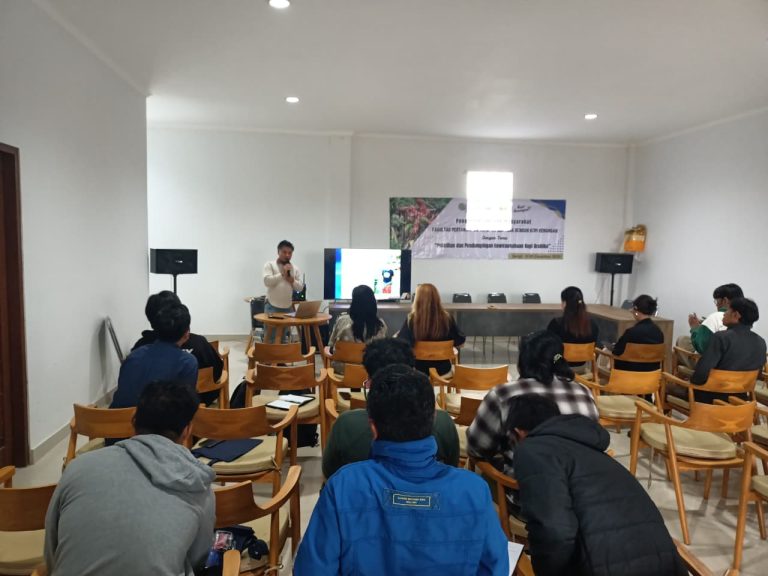
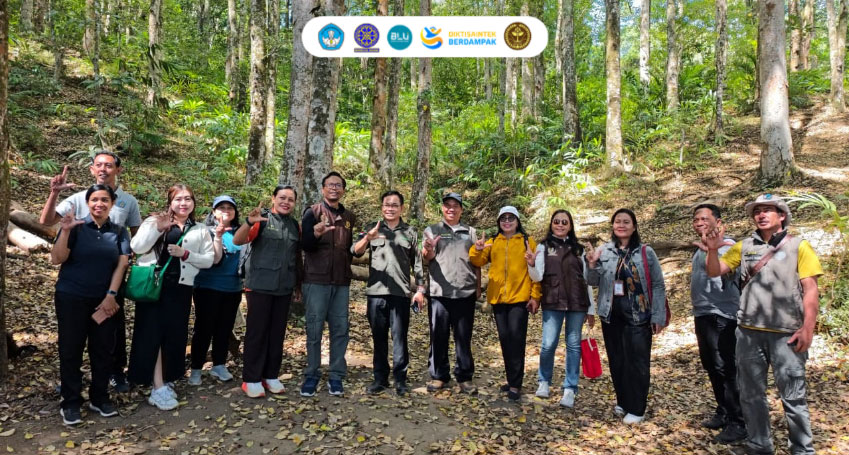
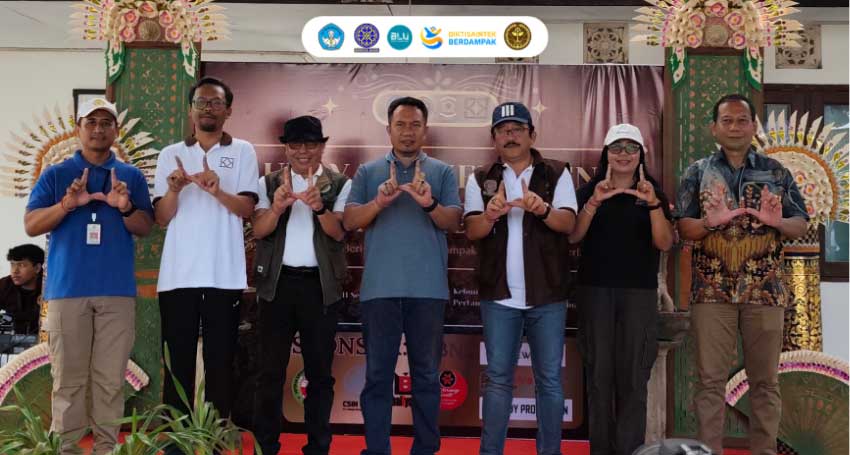
TITIKTENGAH.COM – Efforts to foster young entrepreneurs in the coffee sector continue to be strengthened through a collaboration between PT Kopi Kenangan, the Faculty of Agriculture, and the Business Incubator (Inbis) of Udayana University. This collaboration took the form of Arabica Coffee Entrepreneurship Training and Mentoring held at the Kintamani Coffee Center on Saturday (12/13/2025).
This activity targeted Kintamani's Arabica coffee farmers with the aim of exploring the broader coffee business potential, not only in terms of taste quality but also in terms of added value and business opportunities. Widely recognized Kintamani coffee is considered a strong Balinese identity as well as a competitive superior commodity.
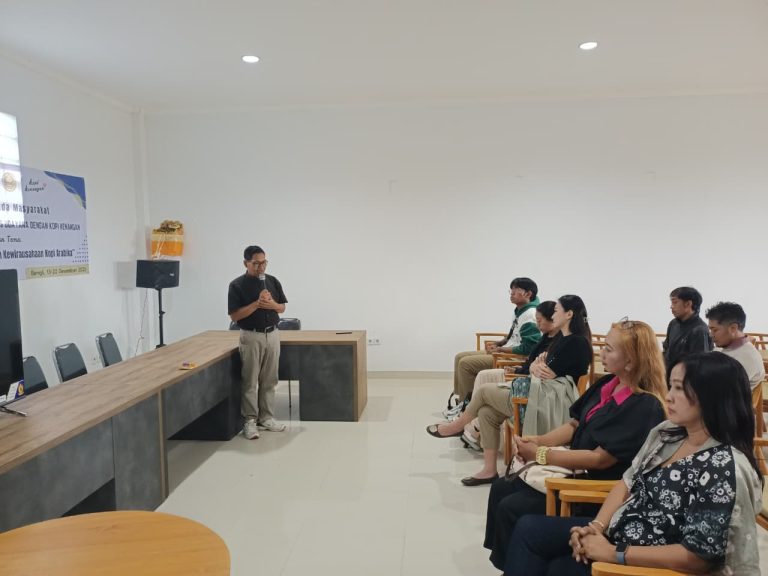
The event opened with remarks from Dr. I Made Sarjana, S.P., M.Sc., a lecturer at the Faculty of Agriculture, Udayana University, who emphasized the importance of synergy between academia, industry, and the farming community in building a sustainable coffee ecosystem.
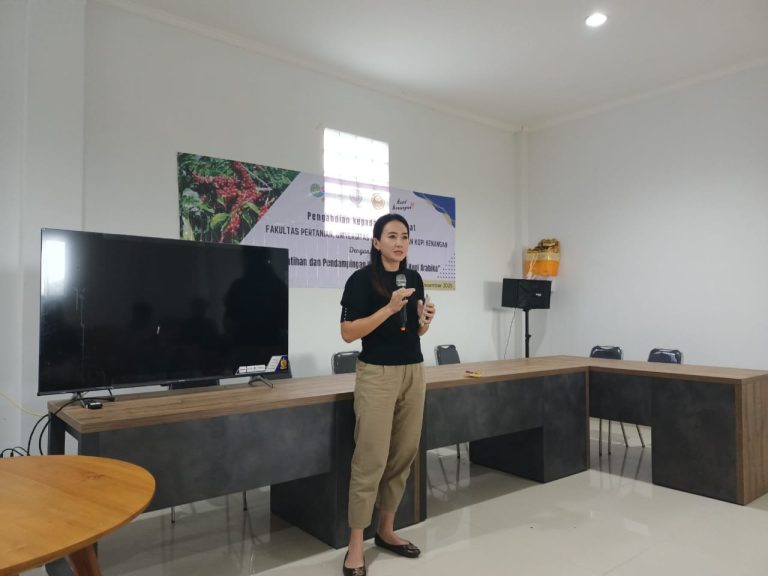
Meanwhile, Inneke Lestari, Head of the Legal and Corporate Affairs Department of PT Kopi Kenangan, conveyed PT. Kopi Kenangan's commitment to supporting the development of farmer-based coffee entrepreneurship through practical training and mentoring.
Also present at the event were the Head of the Udayana University Business Incubator, Dr. drh. Desak Nyoman Dewi Indira, M.Biomed, along with Dr. Anak Agung Sri Mahyuni, S.E., M.Agb, and Fauzan Al Jundi, S.S., M.Si.
The presence of these academics and practitioners provided reinforcement from conceptual to business implementation during the three-day training, held on December 13, 14, and 16, 2025.
During the event, participants also gained inspiration through a Success Story session delivered by Komang Sukarsana, owner of Bali Arabica Kintamani Coffee.
He shared his experience building a coffee business from upstream to downstream, emphasizing that, "Bali coffee is not just a product, but a regional identity and pride that must be managed professionally," he said.
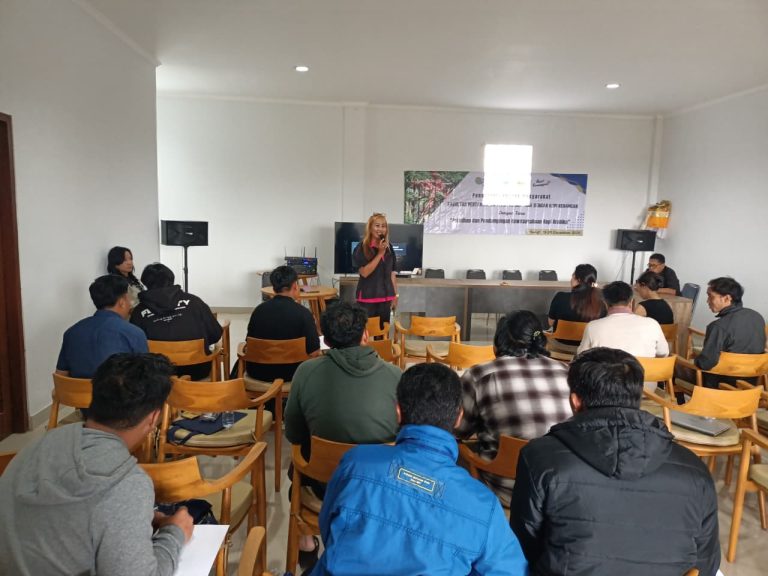
Another session is a brainstorming session, which aims to openly explore ideas, input, experiences, and business solutions from participants.
This session emphasizes that the primary goal is not to immediately find the perfect idea, but rather to gather as many ideas as possible that have the potential to be developed into coffee business models. Simple ideas derived from field experiences are considered highly valuable and often become the seeds of major innovations.
During the incubation process, participants will be challenged to develop their coffee business ideas into attractive and viable business proposals. These proposals will be evaluated in early January 2026, with funding awarded to the best proposals.
This program is expected to foster a new generation of coffee entrepreneurs from Kintamani who not only understand product quality but are also able to identify market opportunities, build brands, and create added value for Kintamani Arabica coffee at the national and global levels.
Gallery
UDAYANA UNIVERSITY